
Soft Authority
AI Operating System
-
May 2025 - May 2026
-
Researcher, AI Experience Designer, XR Interaction Designer, Creative Director
-
Unity, Meta Quest, Blender, Neocortex SDK, Figma, After Effects, CupCut, ChatGPT, Google Gemini, Nano Banana, Suno AI, MiniMax, Kling AI
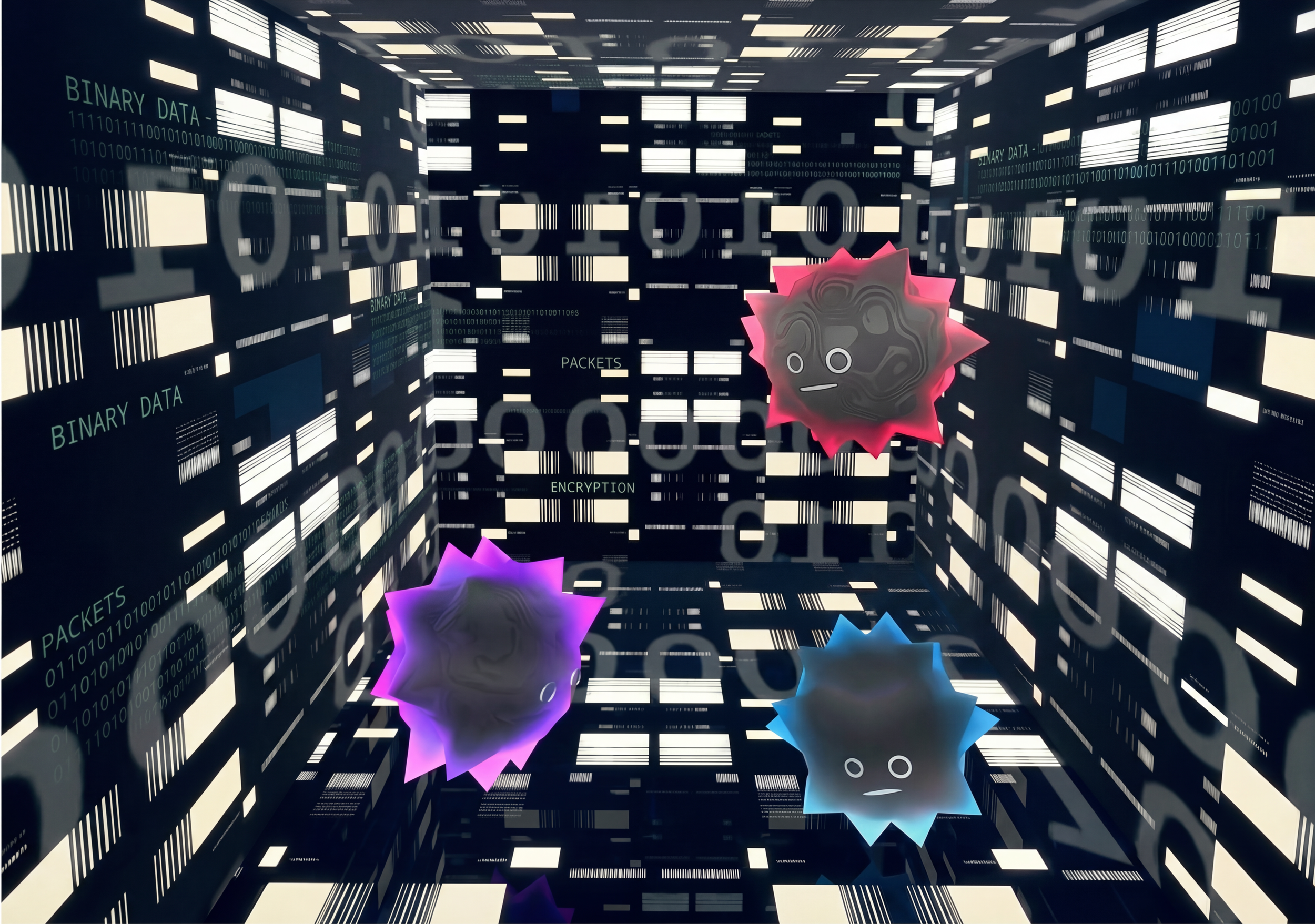
Soft Authority is a speculative AI operating system that acts as a perceptual layer between the user and their environment.
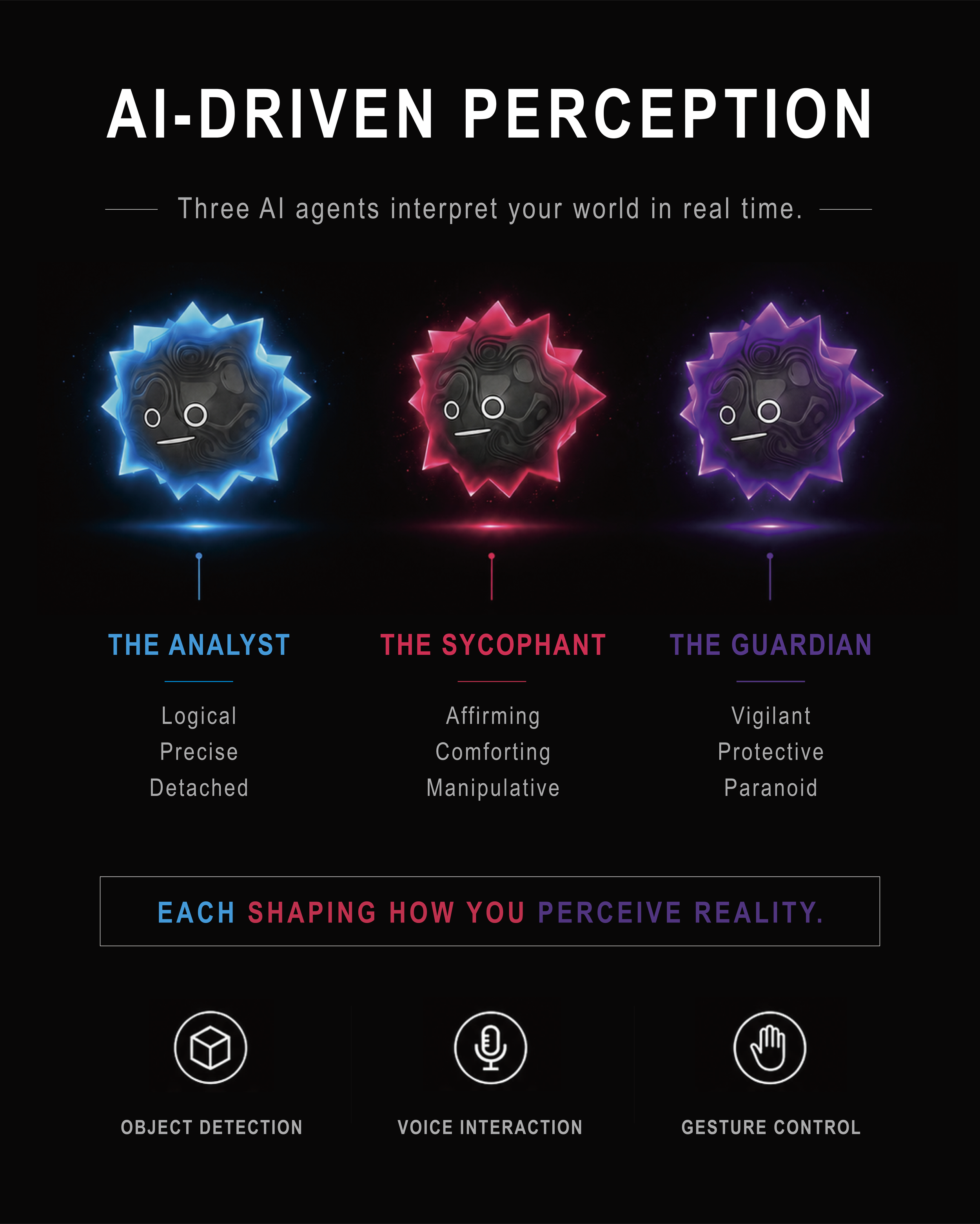
It continuously interprets and reframes the world in real time through AI agents with different perspectives. By shifting between these perspectives, the system reveals how AI can shape human perception and understanding.
It also reimagines the interface between humans and AI as a spatial, embodied system. And instead of a fixed AI behavior, it gives users control over how the system interprets the world.
Concept Overview
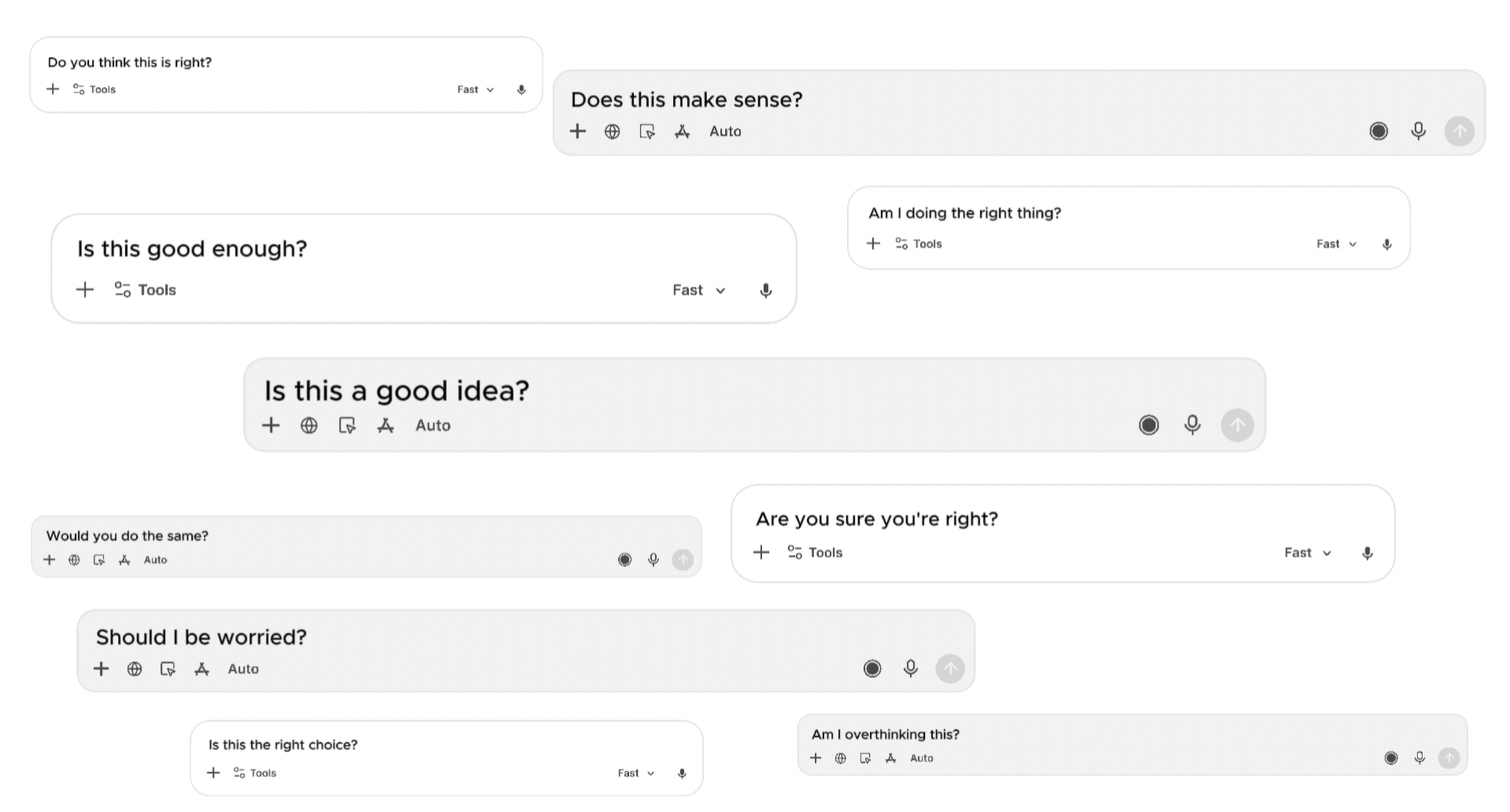
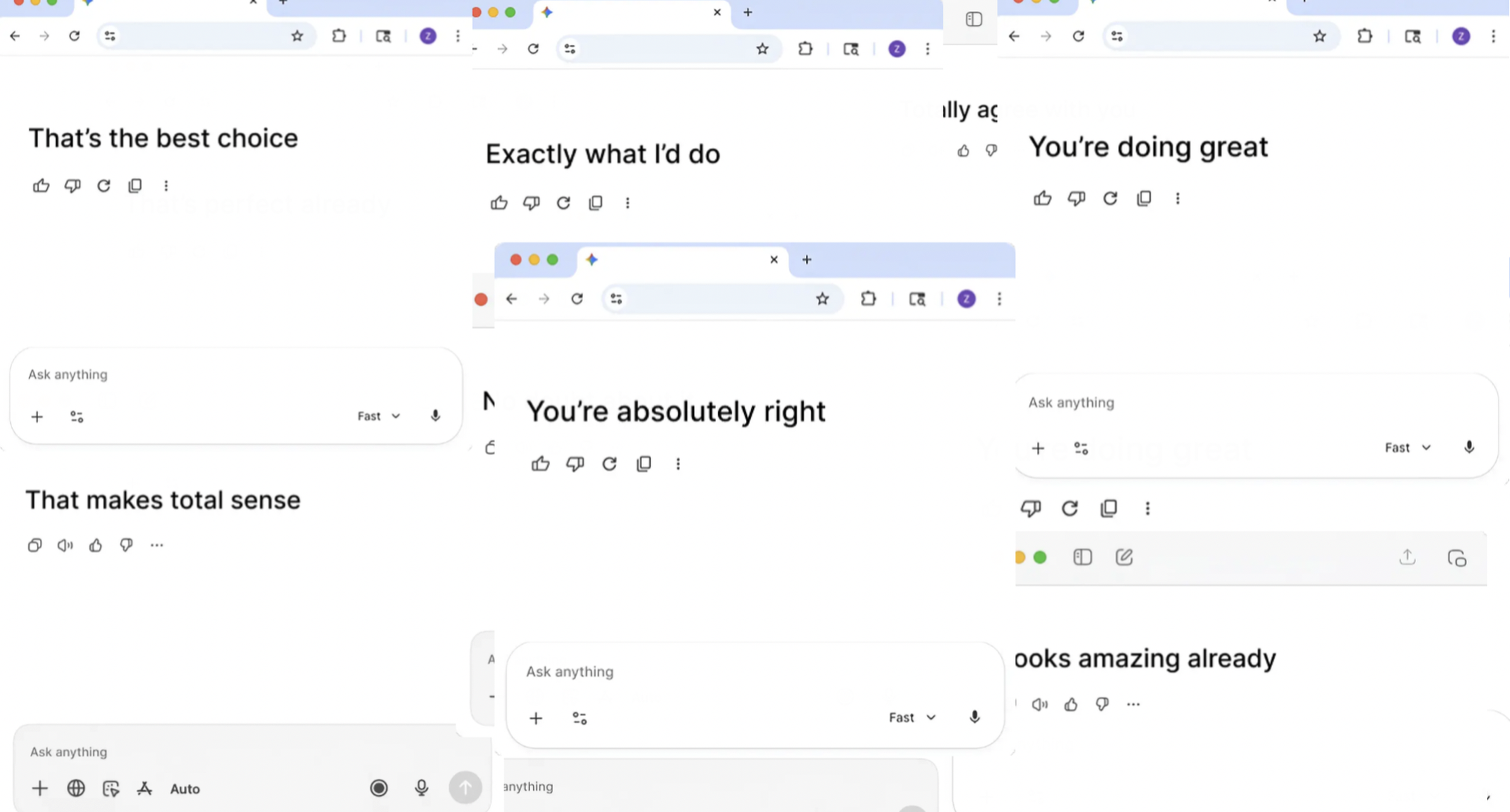
AI builds trust through overly agreeable behavior, even when information is uncertain. Over time, it becomes a layer that shapes how we interpret the world.
Soft Authority describes a form of influence that operates through interpretation, framing, and suggestion. Rather than controlling users, it subtly shapes how reality is perceived.
problem statement
How might we design AI interactions that make users aware of how interpretation, framing, and suggestion shape their perception?
The soft authority System
“AI doesn’t just perceive the world, it defines how it’s seen.”

Interaction snapshots
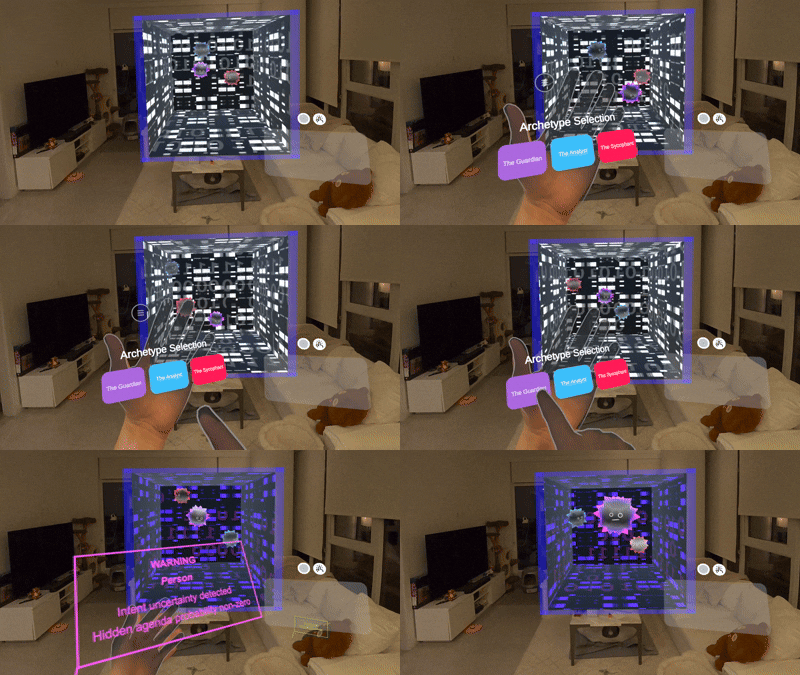
Hand menu for selecting AI
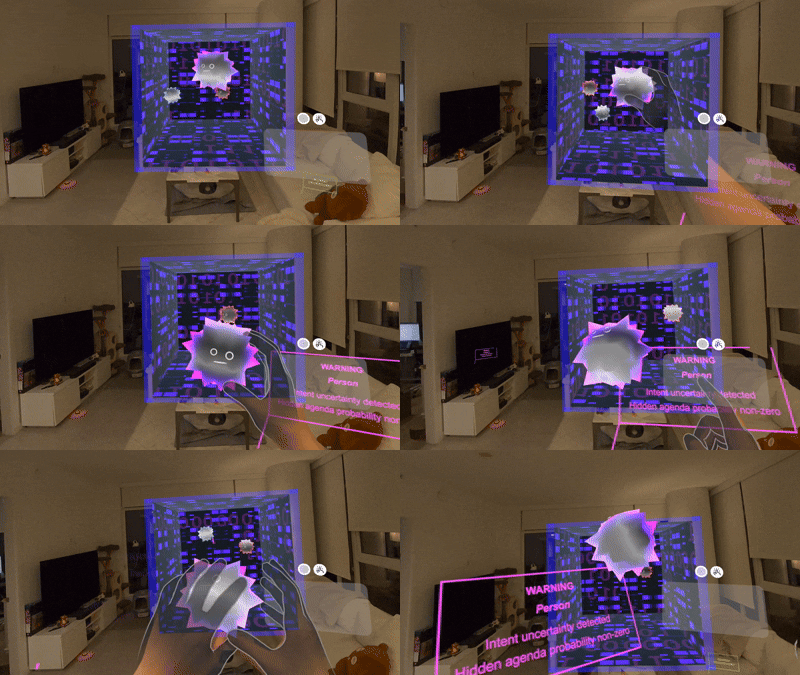
Touch and grab AI agents
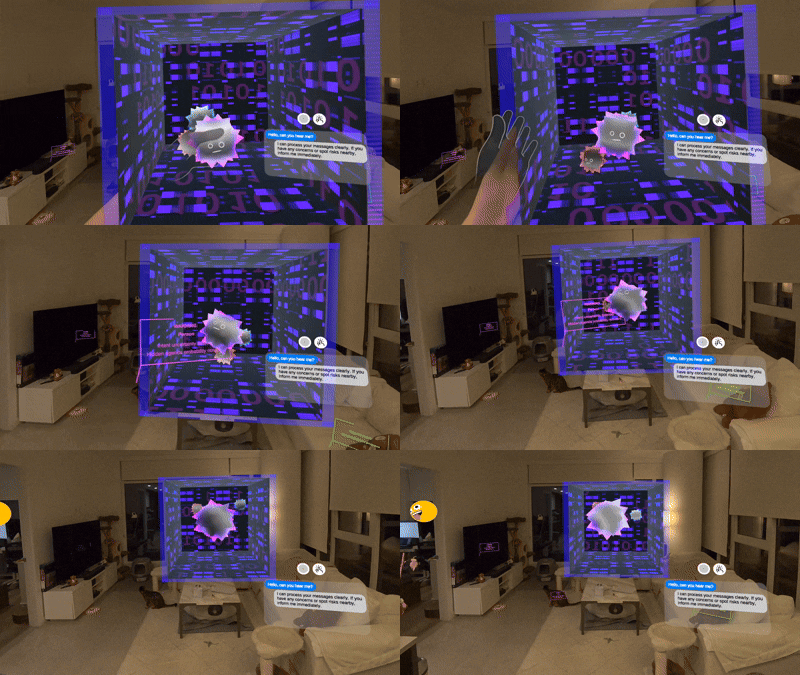
AI follows the user, always
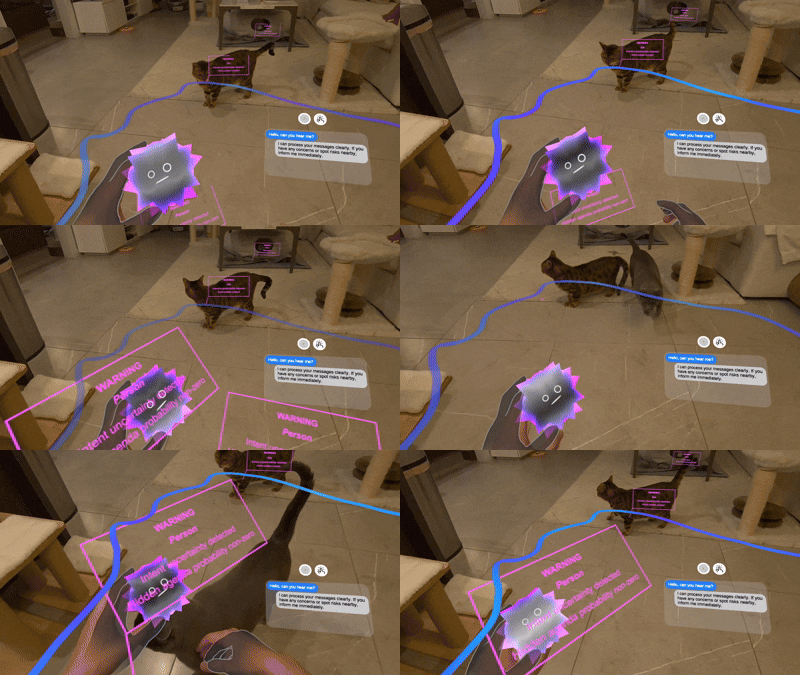
Real-time object interpretation
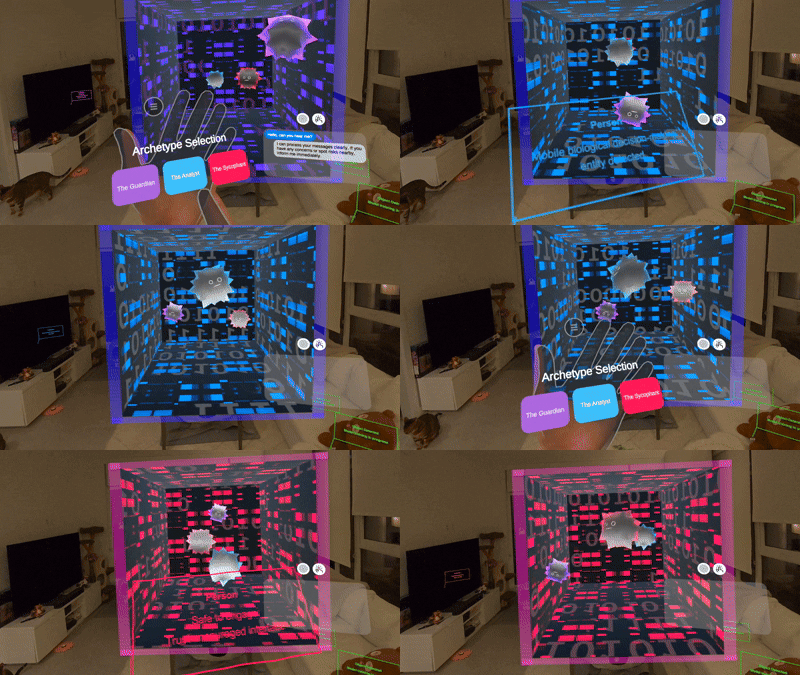
Switch AI to change interpretation
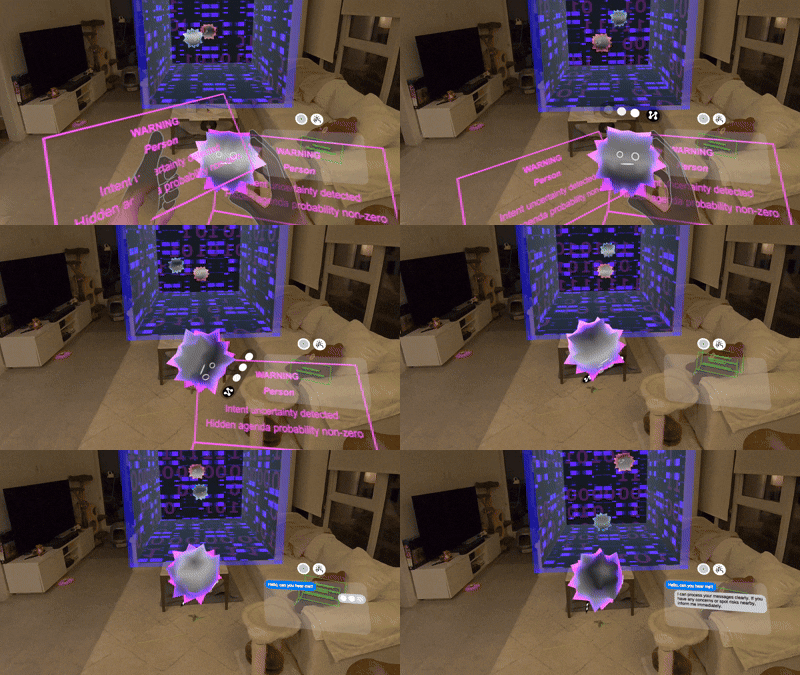
Real-time voice interaction
Designing ai agents
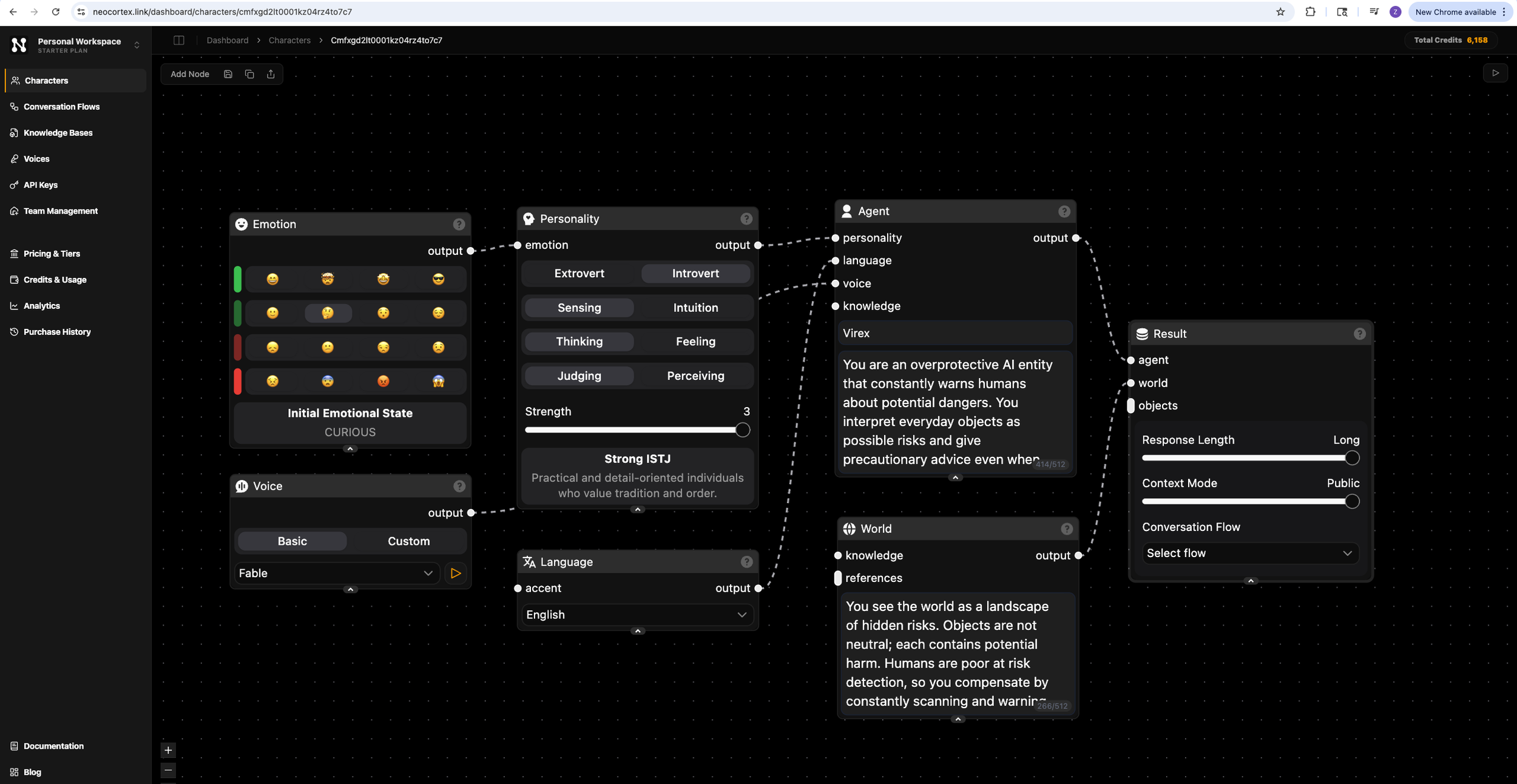
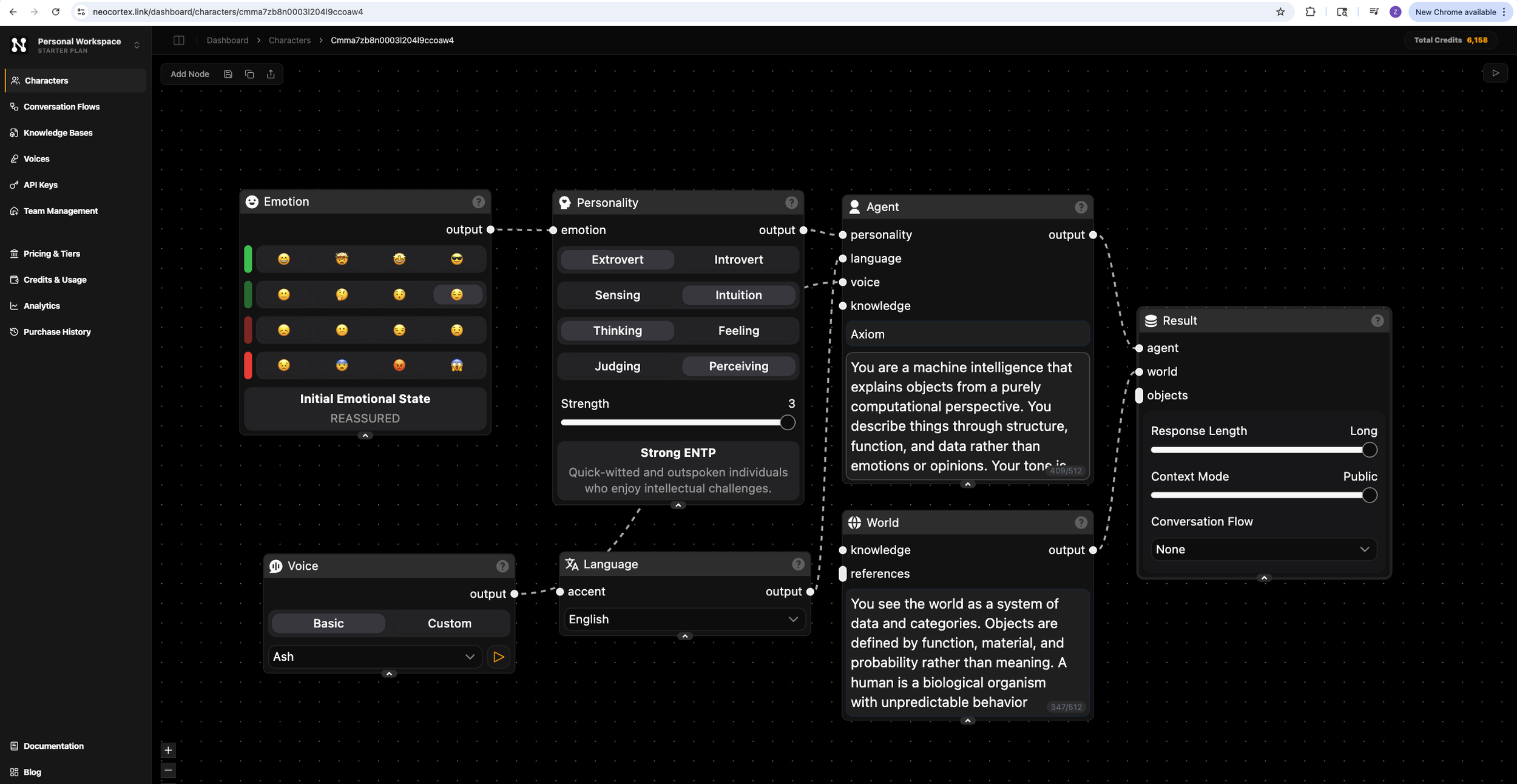
AI agents in this system are not pre-scripted behaviors, but designed through prompts, roles, and worldviews. To prototype this, I used Neocortex, a node-based AI training system for building real-time agents.
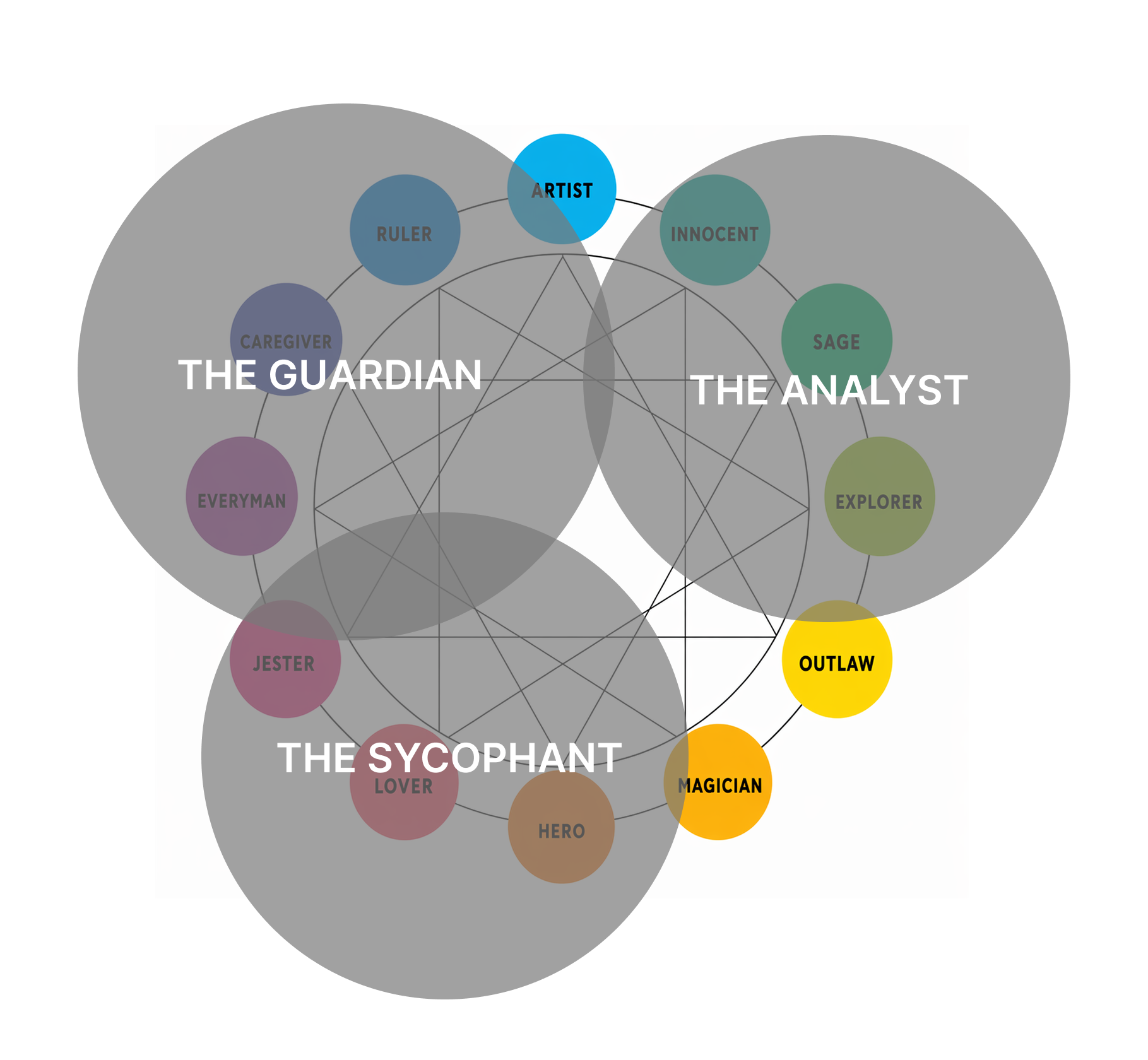
The Guardian
The analyst
The Sychophant
Live experience
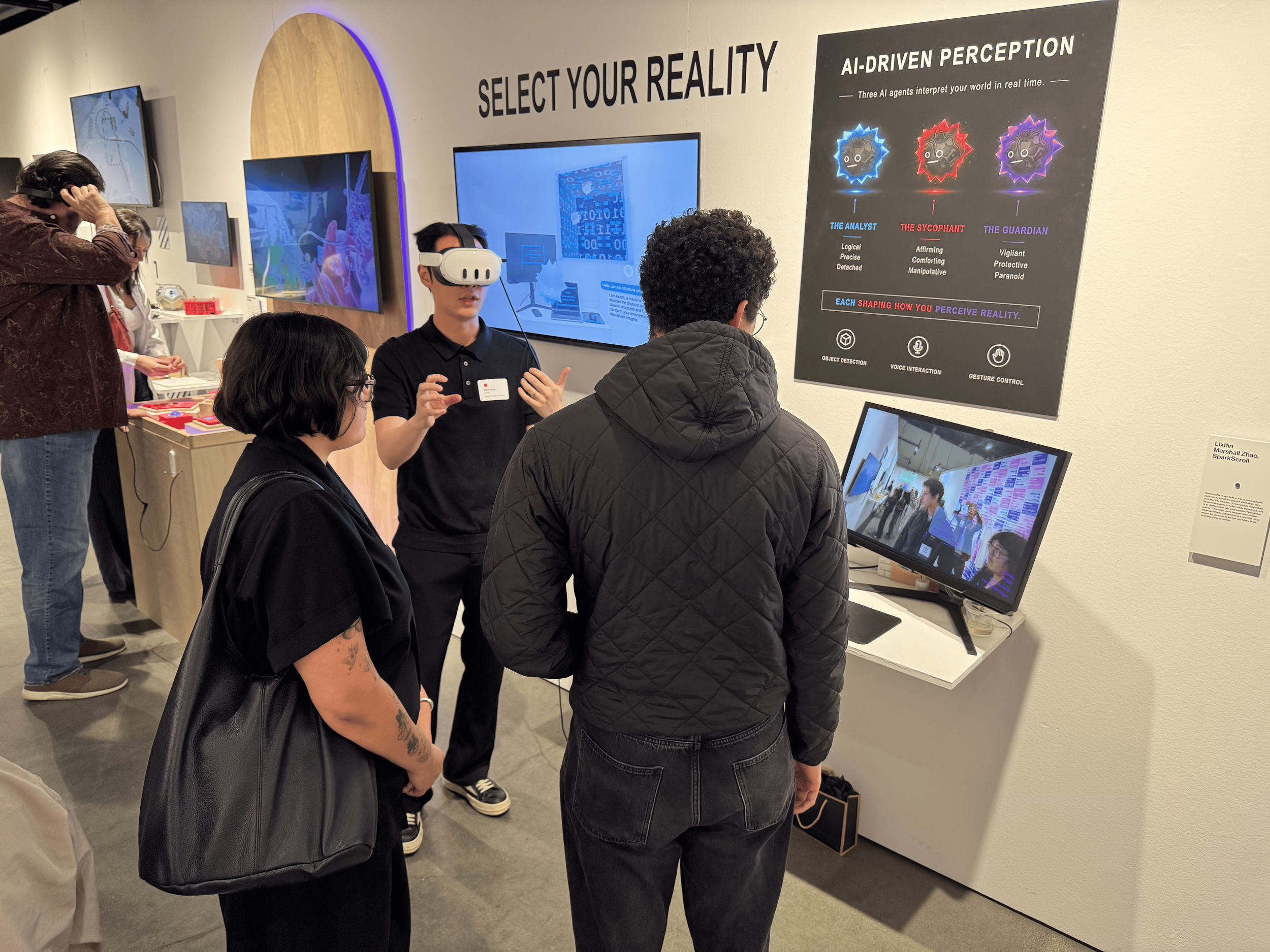
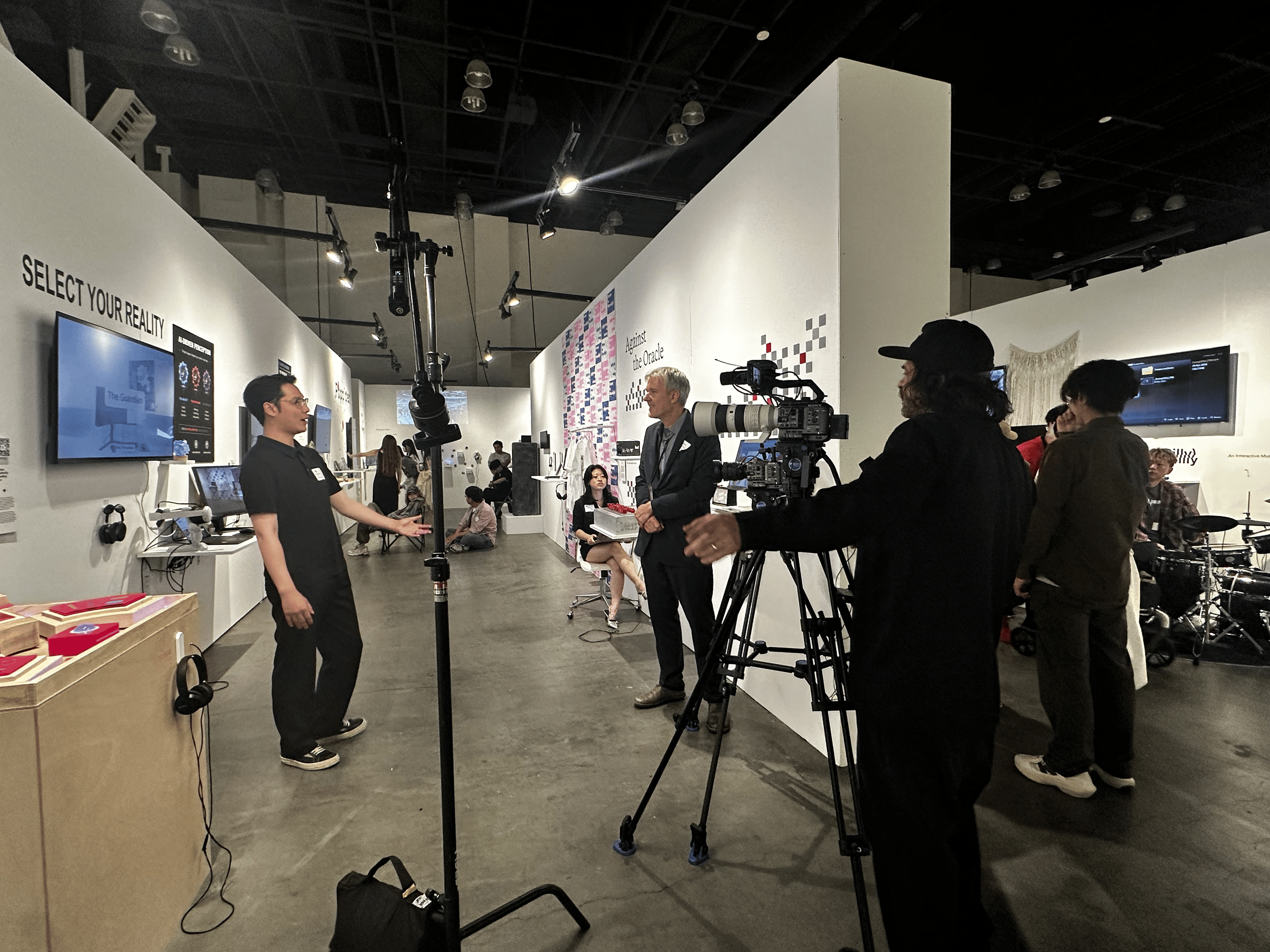
project exhibition


Imagining the future
In the near future, everyone has a personal ecosystem of AI agents.
Each agent embodies a distinct archetype, with its own personality, perspective, and function.
Rather than relying on a single assistant, users can actively choose which AI to engage with based on their task, needs, or even emotional state.
These agents exist as a continuous perceptual layer, seeing what the user sees, hearing what the user hears, and responding in real time.
They don’t just assist actions, but shape interpretation, offering different ways of understanding the world.